Losing Is the Lesson: Why Canadian Athletes Are Built Different by Getting Knocked Down First
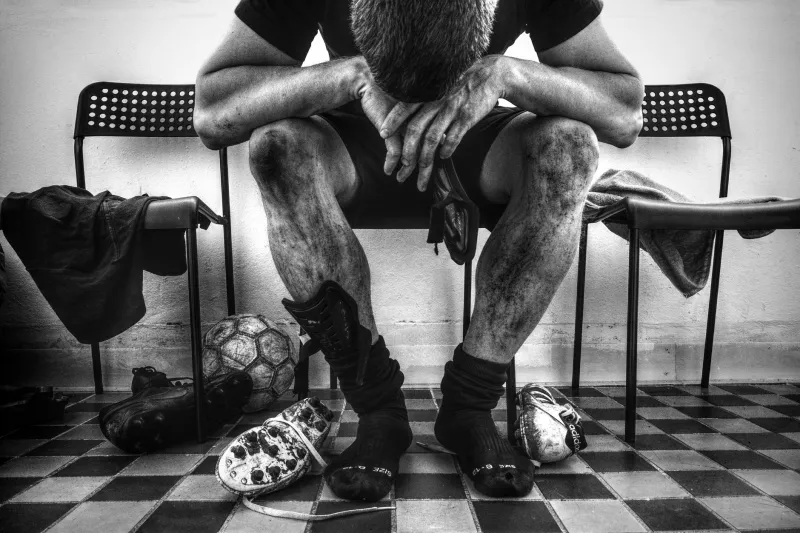
There's a moment every Canadian athlete knows. You've trained for months, maybe years. You show up, you give everything, and then — you don't win. Maybe you finish fourth. Maybe you get cut from the roster. Maybe the scoreboard at the end of a long season tells a story you didn't want told.
For athletes in some countries, that moment breaks something. In Canada, more often than not, it builds something.
This isn't just motivational poster talk. Sports psychologists, coaches, and athletes across this country will tell you the same thing: there's a distinct Canadian relationship with failure that doesn't get nearly enough credit for producing the kind of gritty, durable competitors we keep sending to world stages — and watching shock everybody who underestimated them.
Tuition, Not Tragedy
Dr. Melissa Fournier, a sport psychology consultant who has worked with national-level athletes in wrestling, swimming, and athletics, puts it simply: "The athletes who last in Canada are the ones who figured out early that a loss is data, not a verdict."
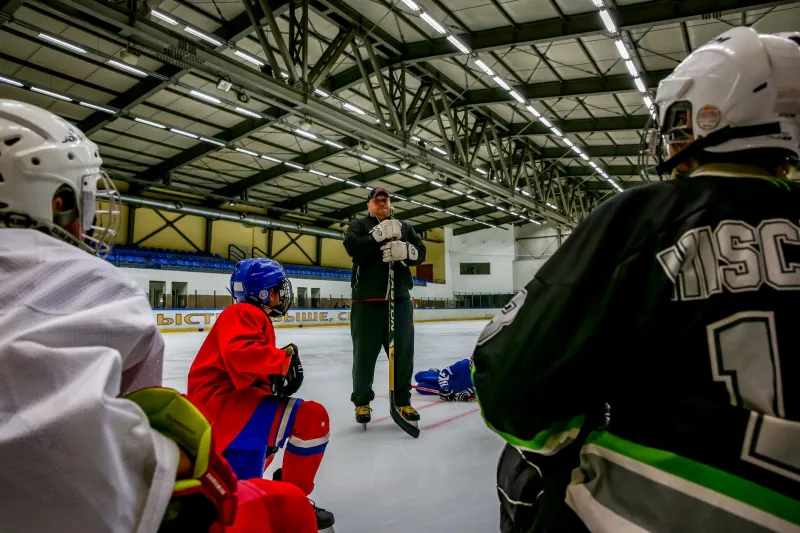
That reframe — loss as tuition rather than tragedy — is something she sees modelled consistently in Canadian coaching culture, particularly outside the country's larger urban centres. Kids playing hockey in Kenora or volleyball in Charlottetown don't always have the resources, the facilities, or the exposure that athletes in bigger markets do. What they have is repetition in adversity. They lose games. They get bounced from tournaments. They get told they're not ready yet. And then they come back.
"There's a humility baked into the development pathway here that I think is genuinely undervalued," Fournier says. "We don't have the same kind of early specialization pressure or win-at-all-costs culture that some larger sports markets push on kids. That actually creates space for athletes to fail without it meaning their career is over."
The Smaller Market Advantage
Here's a counterintuitive argument: Canada's relatively modest sports market — compared to the United States or the powerhouse European football nations — might actually be a competitive advantage at the mental level.
When you're not playing in a system that immediately rewards winning with massive contracts, media attention, and sponsorship deals, you learn to find motivation somewhere else. You learn to play for the love of the game, for your teammates, for the community that drove three hours to watch you compete. You learn that the process has to be the point, because the external rewards aren't always coming.
Coach André Thibodeau, who has spent over two decades developing wrestlers in Québec, puts it this way: "My best athletes are the ones who lost the most when they were young. Not because losing made them lucky — but because they chose to stay. That choice, to stay after losing, that's the whole game."
That choice to stay is something Canadian athletes across disciplines seem to make at a higher rate than the talent pipelines might predict. And it's not an accident.
What the Best Coaches Are Actually Teaching
Talk to enough Canadian coaches and a pattern emerges. The best ones aren't just teaching technique or tactics. They're teaching athletes how to interpret their own experience — and specifically, how to interpret failure without letting it become identity.
This is harder than it sounds. Adolescent athletes are particularly vulnerable to tying their self-worth to their results. A bad tournament becomes proof they're not good enough. A cut from a team becomes confirmation of every doubt they ever had. The coaches who build durable athletes are the ones who interrupt that narrative before it takes root.
"I tell my athletes: you are not your last result," says Thibodeau. "You are what you do next. That's the whole conversation."
Fournier echoes the sentiment from a psychological standpoint, pointing to research on what she calls "failure tolerance" — an athlete's ability to continue effortful behaviour after a negative outcome. "It's one of the strongest predictors of long-term athletic development we have. And it's trainable. It's something you can deliberately build in an athlete if you create the right environment."
The right environment, she argues, looks a lot like many Canadian training rooms: demanding but not cruel, competitive but not cutthroat, honest about results without letting results define worth.
The Cultural Thread
There's something broader going on here too, something that goes beyond sport. Canada, as a culture, has a complicated relationship with outward celebration. We're not exactly known for chest-thumping. But that same cultural modesty that sometimes gets mocked as a lack of swagger actually carries a psychological advantage: it cuts both ways.
If you're not building your entire identity around being the winner, then losing doesn't destroy your identity. You can absorb a bad result, process it, and move forward without the kind of catastrophic self-narrative that sidelines athletes in more results-obsessed cultures.
This doesn't mean Canadian athletes don't care about winning — ask any of them and they'll set you straight fast. It means they've developed a healthier architecture around what winning means and what losing costs. And that architecture holds up under pressure in ways that matter when the stakes are highest.
Getting Back Up Is the Skill
At the end of the day, this is what separates durable athletes from fragile ones: not the absence of failure, but the response to it. And Canada, through a combination of cultural values, coaching philosophy, and the practical realities of competing in a smaller sports ecosystem, has quietly developed a system that teaches athletes how to respond.
The athlete who loses a provincial championship and shows up Monday morning to train harder — that's not an accident. That's a kid who was taught, somewhere along the way, that getting back up is the skill. That the comeback is the whole point.
Fight Like A Canadian isn't just a slogan. It's a description of what happens when you strip away the glamour, the guaranteed rewards, and the easy path — and you find out who actually wants it.
Turns out, it's usually the ones who've already lost a few times. And got up anyway.