The Coaches Nobody Talks About: How Small-Town Mentors Are Building Canada's Toughest Competitors
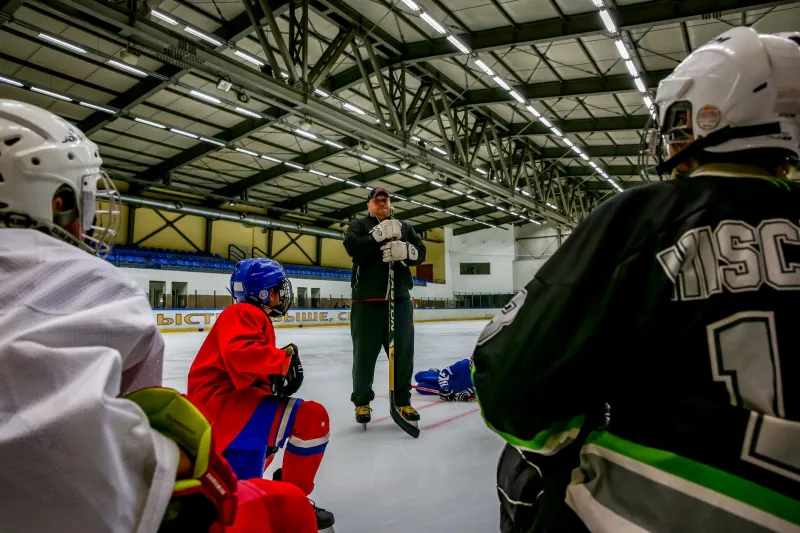
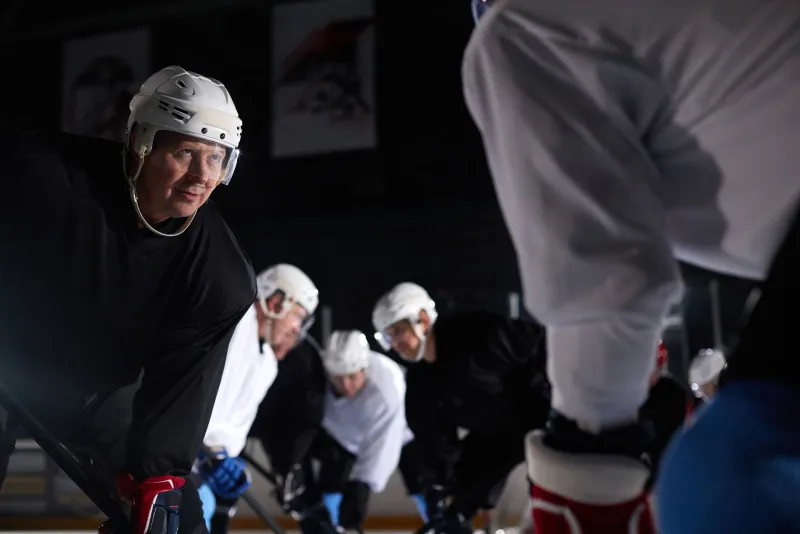
Picture a hockey rink in northern Ontario. It's minus-twenty outside, the dressing room smells like wet wool and old tape, and the ice hasn't been resurfaced since Tuesday. Standing behind the bench is a coach who's been doing this for twenty-three years, earns almost nothing for it, and wouldn't trade the job for anything. He knows every kid on that roster by name — not just their stats, but their home situations, their grades, their fears.
That coach doesn't have a Twitter following. He's probably not on Instagram. But there's a decent chance one of his former players is competing at a national level right now, drawing on lessons learned in that freezing rink before they were old enough to drive.
This is Canadian sport at its most honest. And it doesn't get nearly enough credit.
The Invisible Architecture of Canadian Athletics
When Canadian athletes reach the Olympic podium or crack a professional roster, the spotlight lands on the athlete. Rightfully so — they've earned it. But behind most of those success stories is a coach from somewhere you've probably never heard of. Outlook, Saskatchewan. Témiscaming, Québec. Antigonish, Nova Scotia. Fort St. John, British Columbia.
These mentors operate in communities where the nearest high-performance training centre might be a five-hour drive away. Where funding applications get rejected more often than they get approved. Where the weight room doubles as a storage closet three days a week.
And somehow, they keep producing fighters.
The reason isn't complicated, even if it's hard to manufacture at scale. Small-town coaches build relationships that bigger programs often can't. When your roster is fifteen kids and you've known half their families for a decade, coaching becomes something closer to mentorship. You're not just developing a sprinter or a wrestler — you're developing a person who happens to sprint or wrestle.
Character First, Accolades Second
Talk to enough athletes who came up through smaller communities and a theme emerges fast. Their coaches weren't obsessed with wins. They were obsessed with how you responded when you lost.
That philosophy is more deliberate than it sounds. In smaller centres, there's less pressure to produce results on a short timeline. There's no booster club demanding a championship. There's no high-profile recruit waiting to take your roster spot. That absence of external pressure creates space for something rarer: actual development.
Coaches in these environments can afford to let athletes fail, struggle, and figure things out — because nobody's watching with a clipboard. A kid can have a terrible season and still come back next year, still get coached hard, still be held accountable. The process matters more than the performance, and athletes absorb that lesson in ways that stick with them for decades.
It's not soft. Don't mistake it for soft. These coaches push hard. They just push toward something more durable than a trophy.
Unconventional Methods, Real Results
Limited resources have a funny way of forcing creativity. When you don't have access to altitude training, sports psychologists on retainer, or video analysis software, you improvise. And sometimes the improvised solution is better than the official one.
There are track coaches in small Prairie towns who've developed sprint programmes using grain elevators as wind-resistance training. Swim coaches on Vancouver Island who've used open-water sessions in the Pacific — not because it's trendy, but because the pool was booked. Wrestling coaches in Newfoundland communities running conditioning circuits through fishing wharves because the gym floor needed repair.
These workarounds do something that polished facilities often don't: they teach athletes to adapt. To perform under imperfect conditions. To stop waiting for everything to be ideal before they give full effort. That's a skill that transfers directly to competition, where conditions are almost never ideal and composure under pressure separates the good from the great.
The Loyalty Loop
One of the quieter forces in small-town coaching culture is loyalty — and it runs in both directions.
Athletes who came up under these mentors tend to remember them fiercely. Not in a nostalgic, sentimental way, but in a practical one. They credit them directly. They come back to run clinics. They send their own kids to train under the same coach who shaped them. That cycle of return is part of what makes these programmes sustainable despite the funding gaps and logistical headaches.
And the coaches? They stay. That's maybe the most remarkable part. These are often people who could have pursued higher-profile positions, bigger budgets, more recognition. They chose to stay in Moose Jaw or Kenora or Truro because the work felt meaningful in a way that a prestigious title somewhere else didn't promise.
That kind of commitment communicates something to every athlete who walks through the door. It says: this place matters. You matter. Showing up matters.
Athletes learn what they live. When the person guiding them demonstrates that kind of dedication without fanfare, it shapes how they approach their own training.
What the Big Programs Miss
High-performance sport has gotten incredibly sophisticated. Periodisation models, recovery protocols, biomechanical analysis — the science is genuinely impressive and genuinely useful. Nobody's arguing against it.
But there's something that sophisticated systems can struggle to replicate: the formative experience of being coached by someone who knows you as a full human being, not a collection of metrics. Someone who pulls you aside after practice not to talk about your split times but to ask if everything's okay at home. Someone who holds you to a standard not because it serves a programme goal, but because they believe in what you're capable of.
The mental toughness that defines Canadian athletes on the world stage — the refusal to fold, the ability to compete hurt, the composure in hostile environments — that stuff gets seeded early. And a lot of it gets seeded in small gyms and frozen arenas by coaches who will never see a highlight reel of the moments they made possible.
Giving Credit Where It's Long Overdue
Canada doesn't do enough to celebrate these people. Provincial sport organisations occasionally hand out volunteer coaching awards. Sometimes a local paper runs a retirement story. But the broader sports culture moves on quickly, always chasing the next athlete, the next result, the next Olympic cycle.
Maybe that's just how it goes. Maybe the best coaches in these communities wouldn't want the spotlight anyway — they're not built for it. But acknowledging what they do, loudly and specifically, matters. It matters for the communities that support these programmes on shoestring budgets. It matters for the next generation of coaches deciding whether the grind is worth it.
It is worth it. The athletes they've shaped are proof.
Somewhere in Canada right now, a kid in a small town is getting coached by someone who won't be famous for it. Someone who's teaching them that character is the foundation, that grit is built slowly, and that where you come from doesn't determine where you're going.
That's fighting like a Canadian. And it starts long before the world is watching.