Say Nothing, Win Everything: The Quiet Power Canadian Athletes Wield in Their Darkest Moments

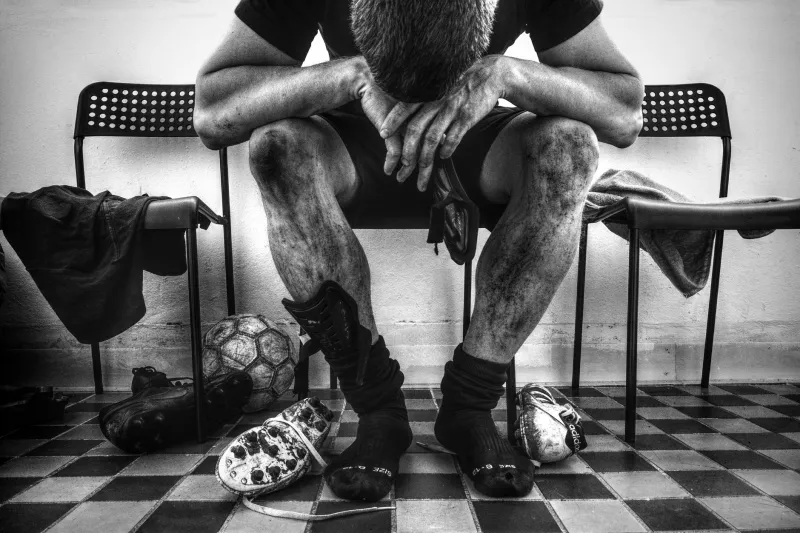
There's a moment every athlete knows. The injury report drops. The roster spot evaporates. The headlines turn ugly. And suddenly every phone is buzzing with people who want a quote, a reaction, a confirmation that yeah — it's as bad as it looks.
The instinct is to respond. To clarify. To defend yourself before the narrative gets written without you.
Canada's sharpest competitors have learned to resist that instinct completely.
What looks like silence from the outside is actually one of the most calculated moves an athlete can make. It's not avoidance. It's not defeat. It's a deliberate, almost ruthless form of psychological positioning — and when it's done right, it turns the lowest point of a career into the foundation of something genuinely dangerous.
The Noise That Kills Comebacks
Here's the thing nobody talks about enough: most failed comebacks don't die in the gym. They die in the comment section.
When an athlete starts reacting publicly to every piece of doubt — firing back at critics, posting cryptic workout videos, doing the rounds on podcasts to "set the record straight" — they're essentially handing control of their story to whoever's loudest. The media cycle feeds on reaction. Every statement becomes a new headline. Every explanation invites a counter-narrative. Before long, the athlete is spending more emotional energy managing perception than actually rebuilding.
The athletes who come back hardest tend to go quiet. Not forever. Not because they don't care. But because they understand that silence, at the right moment, creates a vacuum — and nature, as they say, abhors one.
People start wondering. Whispers start circulating. And a whisper about a comeback carries more intrigue than a press release ever could.
Controlled Disappearance as Strategy
Think about what it means when a prominent Canadian athlete simply... stops showing up in the feed. No Instagram stories from the training facility. No vague motivational quotes. No interviews. Just absence.
For a culture that rewards constant visibility, that kind of withdrawal feels almost radical. But it's a move that works on multiple levels.
First, it protects the mental space needed to actually do the work. Comeback training is brutally demanding — physically, emotionally, technically. Athletes who are simultaneously managing a public image are splitting focus in ways that cost them in the gym. Going dark removes that drain entirely.
Second, it resets the public's relationship with expectation. When you disappear, you stop being the person who got hurt, cut, or humiliated. You become the unknown variable. And unknown variables are scarier than known quantities. Ask any coach who's ever had to game-plan against a player whose recent form is a mystery.
Third — and this one's underappreciated — silence lets doubt work for you instead of against you. Every critic who says "they're done" is actually building the story you'll eventually get to flip. The longer the doubt festers publicly, the sweeter the return becomes. You don't need to argue with the doubters. You just need to show up when it counts and let the scoreboard do the talking.
The Canadian Flavour of This Approach
This kind of restrained, long-game thinking fits something deeply embedded in Canadian athletic culture. We're not a country that celebrates trash talk or manufactured drama. The athletes who resonate most with Canadian fans tend to be the ones who work in relative obscurity, stay humble through the grind, and then deliver when the moment demands it.
There's a reason the "quiet Canadian" archetype exists — and it's not just politeness. It's a competitive philosophy. Let the work speak. Don't give opponents or critics anything to use against you. Keep the circle tight and the goals clear.
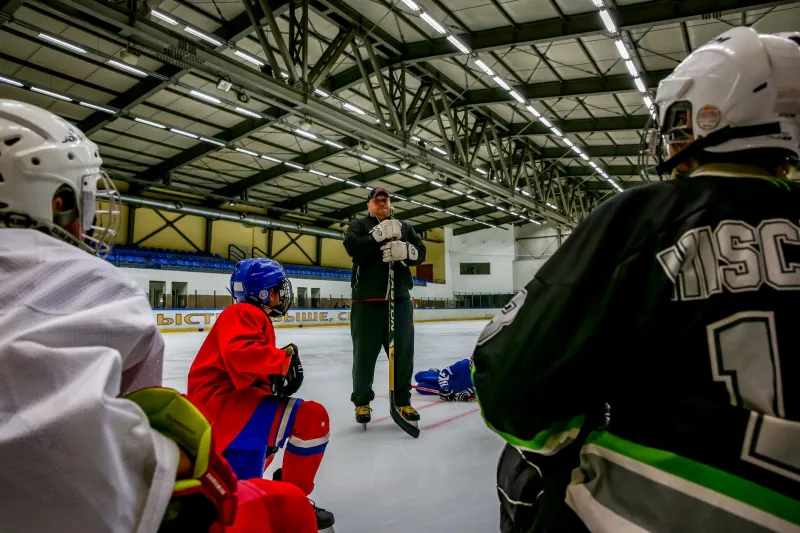
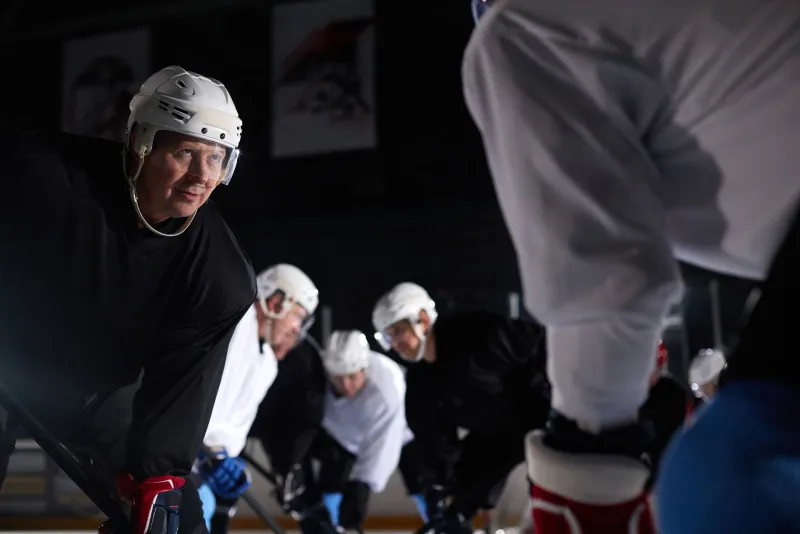
This shows up across sports. Hockey players who get scratched from lineups and respond by going back to the AHL without complaint, grinding until the call comes again. Track athletes who disappear from the circuit after an injury, spend eighteen months rebuilding in near-total anonymity, then show up at a qualifier and remind everyone exactly who they are. Fighters who take a loss, go silent, train harder than they ever have, and let the weight of the silence build pressure until the rematch.
It's a distinctly Canadian brand of psychological warfare — patient, understated, and absolutely lethal when the timing is right.
When to Break the Silence
Of course, silence is only powerful if it eventually ends. The strategy only works if you've actually been doing the work during the quiet period — and if you choose the moment to re-emerge with intention.
The worst version of this approach is the athlete who goes quiet, does nothing, and then comes back too early or with too much fanfare before the results back it up. That's not strategic silence. That's just hiding, followed by a poorly timed reveal.
The best version looks like this: disappear completely during the darkest stretch. Do the work without documenting it. Let the doubt build. And then choose a moment of performance — not a press conference, not a social post, but an actual competitive result — to announce your return.
The moment of re-emergence should feel almost inevitable. Like the silence was a held breath, and now you're exhaling with something to show for it. That's when the narrative flips. That's when the people who wrote you off become the ones amplifying your story, because comeback narratives are irresistible and they want to be part of it.
The Hardest Part Nobody Admits
Let's be honest about something: strategic silence is genuinely difficult. It goes against every instinct an athlete develops over years of competition. You're wired to respond to challenges, to defend your territory, to show people you're still in the fight.
Staying quiet when people are saying you're finished requires a specific kind of confidence — the kind that doesn't need external validation to stay intact. You have to be secure enough in what you know about yourself and your trajectory that other people's timelines and opinions simply don't move the needle.
That's a mental skill as demanding as any physical one. And like any skill, it develops through practice and through understanding why it matters.
The athletes who master it tend to share one trait: they've stopped measuring themselves against public perception and started measuring themselves against their own standard of readiness. When that internal standard is met, they move. Not a moment before.
The Comeback Starts in the Quiet
If you're an athlete in the middle of a rough stretch right now — dealing with an injury, a demotion, a public stumble — here's the thing worth sitting with: you don't owe anyone an explanation. Not yet.
Do the work. Keep the circle tight. Trust the process you've built. And when the time is right, let your performance deliver the only statement that actually matters.
Fight like a Canadian. Say nothing. Win everything.